Invisible hearing aids
Custom-made hearing aids, moulded to your own ear, sitting deep enough in the canal to be virtually unnoticed in everyday conversation. No extra charge for a custom fit, and an honest answer on whether one suits your hearing loss.
Smaller means more discreet, and less room for battery, power and Bluetooth
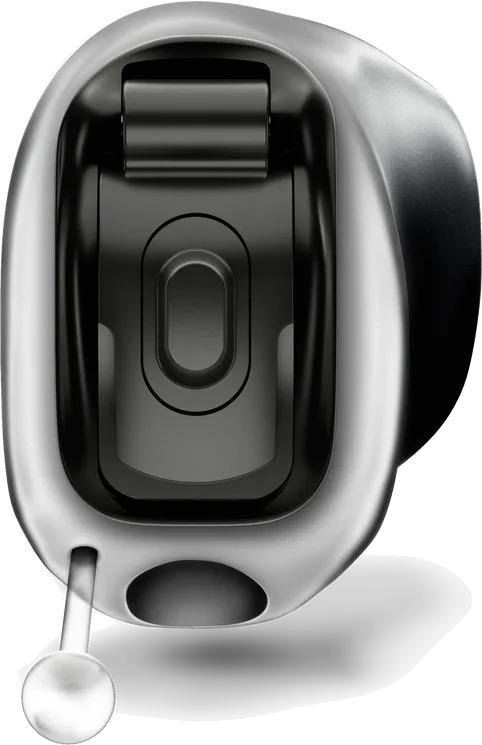
in canal
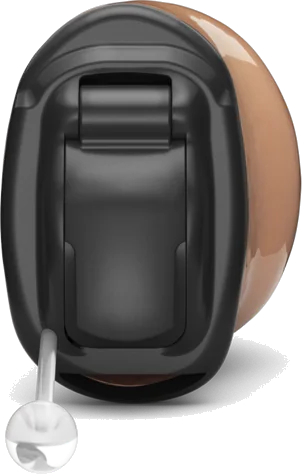
in canal
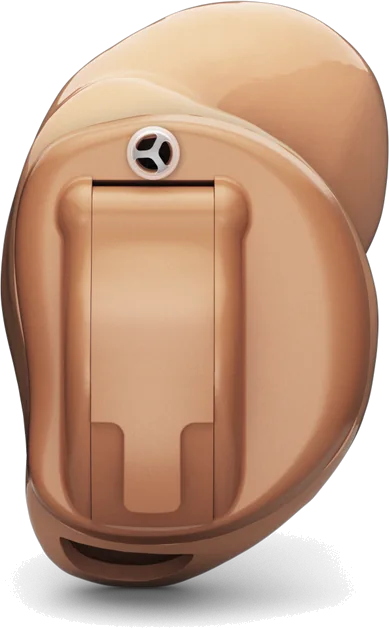
custom made
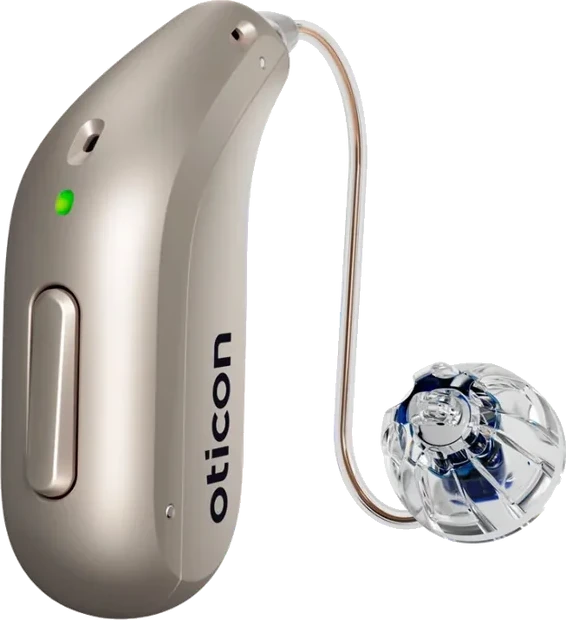
in canal
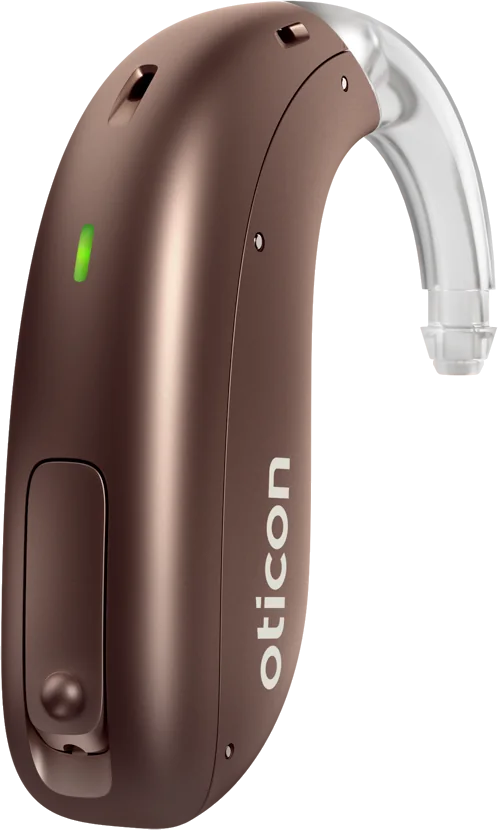
the ear
What invisible actually means.
Both styles are custom-moulded from an impression of your own ear. No two are alike.
Sits at the deepest point of your ear canal, with only a tiny removal thread visible. The most discreet option available, though the small size leaves less room for extra features.
- Genuinely hard to spot in conversation
- Mild to moderate hearing loss
- Less room for Bluetooth and big batteries
Sits slightly less deep than an IIC. Still very discreet in everyday interaction, with more room for modern features inside.
- Very discreet day to day
- Room for rechargeable batteries
- Bluetooth streaming on many models
Is an invisible hearing aid right for you?
Four honest things to weigh up before you set your heart on one.
During your free hearing test we assess all of this and tell you honestly whether an invisible style suits your hearing loss, not just whether you would like one.
Invisible and custom options from every brand.
We are independent, so we fit whichever of these suits your ear and your hearing loss, not one brand's version.
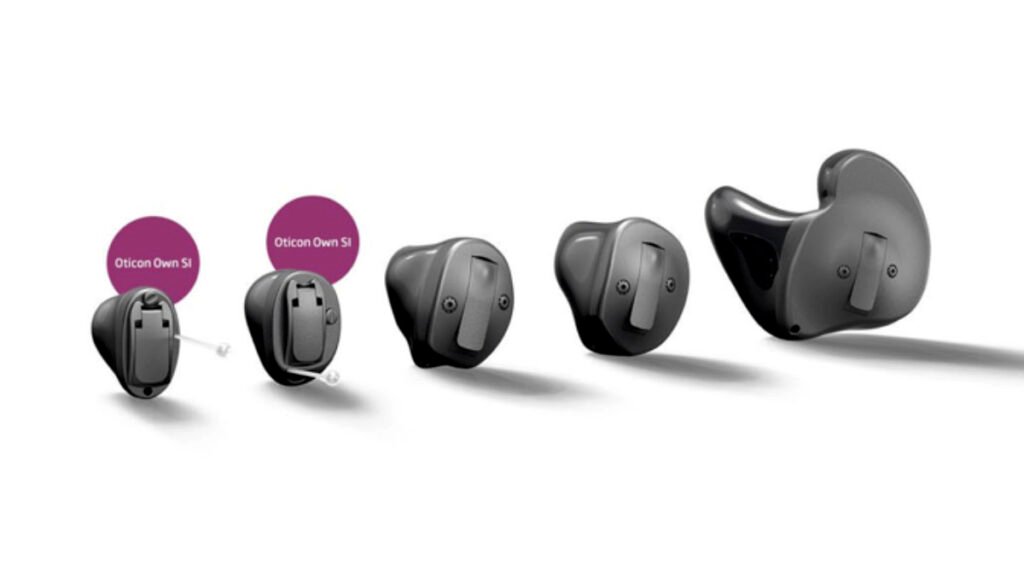
Oticon's custom in-the-ear family, available down to a discreet in-canal fit.
About Oticon Own →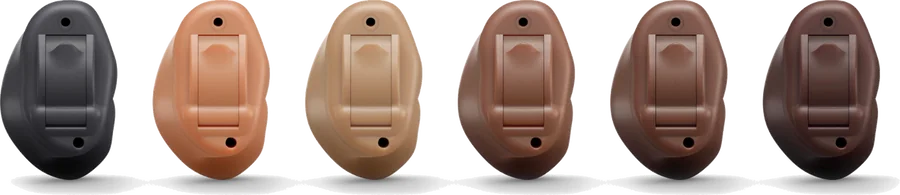
Custom rechargeable options across ITC, CIC and IIC styles.
About ReSound Nexia →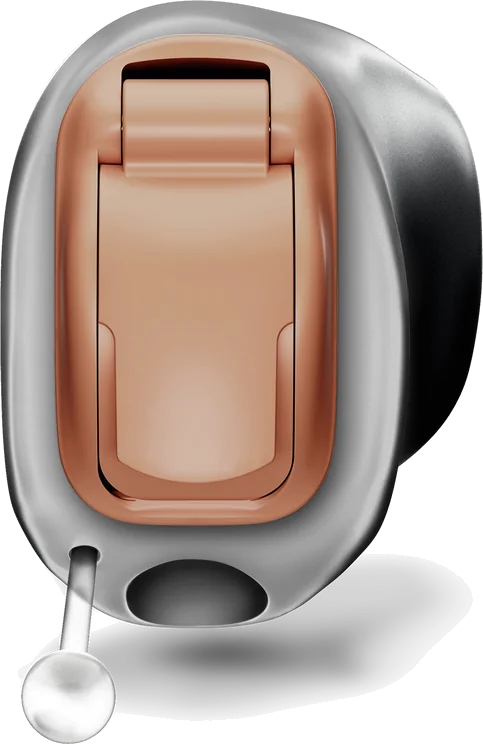
Custom-fit with a medical-grade titanium shell, 50 percent thinner than traditional materials.
About Virto Infinio Titanium →Starkey's smallest custom line, including IIC and rechargeable CIC options.
About Signature Series →Invisible hearing aids are made from an impression of your ear canal, taken at your fitting appointment. There is no extra charge for a custom fit, we simply confirm it is suitable for your hearing loss first.
Frequently asked questions.
They are not literally invisible, but IIC styles sit deep enough in the ear canal that only a tiny removal thread is visible. Genuinely hard to spot in everyday conversation.
No. Custom hearing aids are no extra charge with us. We will advise whether an invisible style is suitable for your hearing loss.
It depends. Invisible styles typically suit mild to moderate hearing loss, and also depend on the size and shape of your ear canal. We will confirm what is realistic for you at your free hearing test.
It depends on the style. The very smallest IIC devices have limited room for wireless features, while slightly larger CIC styles often include Bluetooth and rechargeable batteries.
Yes. We will give you a demo after your hearing test, and you are covered by our 60 day money back guarantee either way.