Rechargeable hearing aids
No more buying, changing or fiddling with tiny disposable batteries. Pop your hearing aids on charge overnight and you are set for the day. Forgot to charge? A quick 10 to 15 minute top-up adds several hours of use on most current models. Every pair of rechargeable hearing aids comes with a free charger included.
Why go rechargeable?
The reasons most people never look back.
Charging a hearing aid is as easy as charging your phone. Drop them in the case at night, pick them up in the morning, done.
Battery life varies by model and how much you stream. We will confirm real-world figures for your specific hearing aid.
Rechargeable options from every brand.
We are independent, so we will fit whichever genuinely suits you. Battery life varies by model and how much you stream, and we will confirm real-world figures for your specific hearing aid.
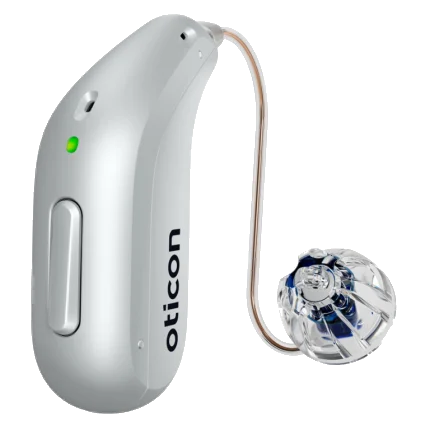
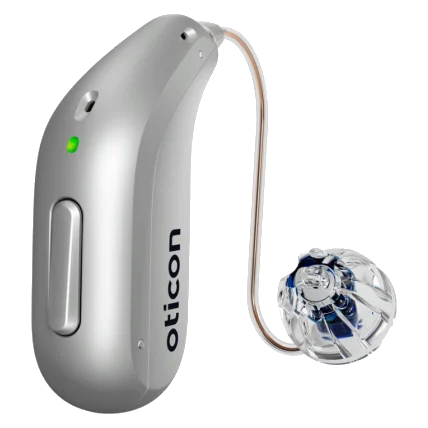
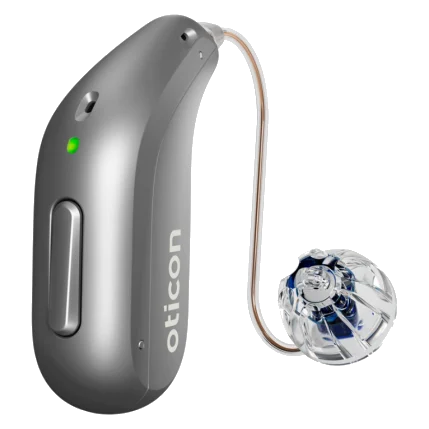
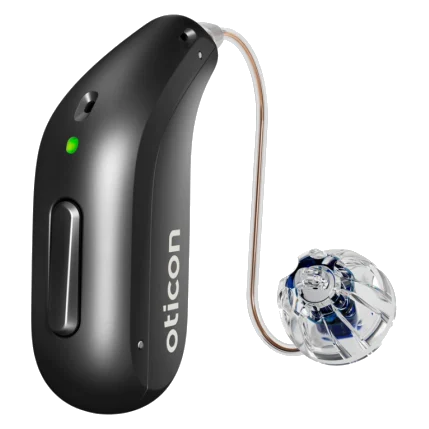
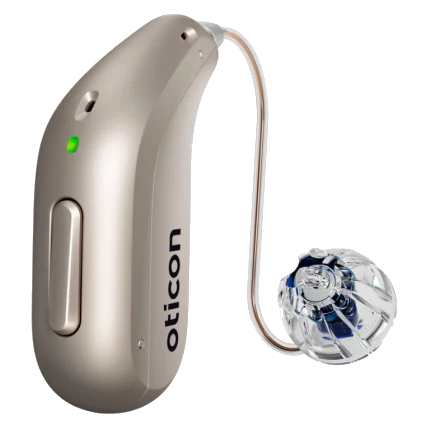
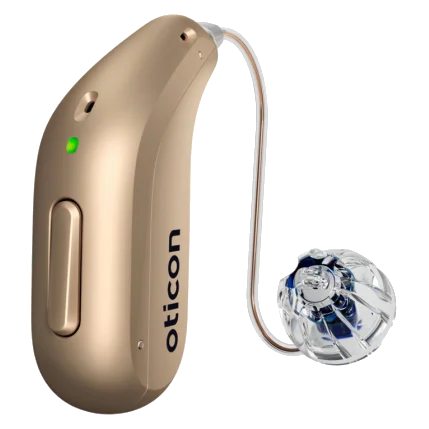
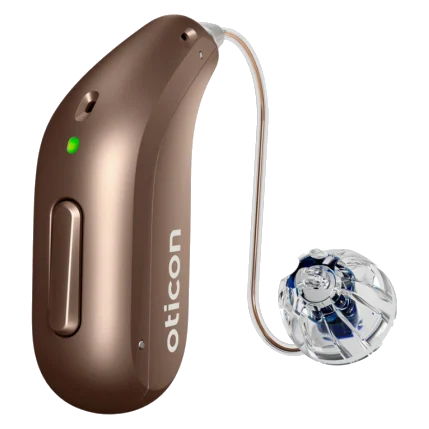
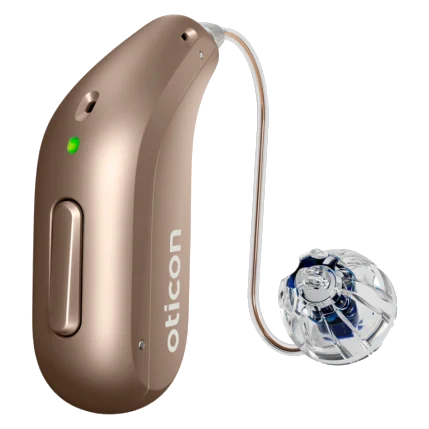
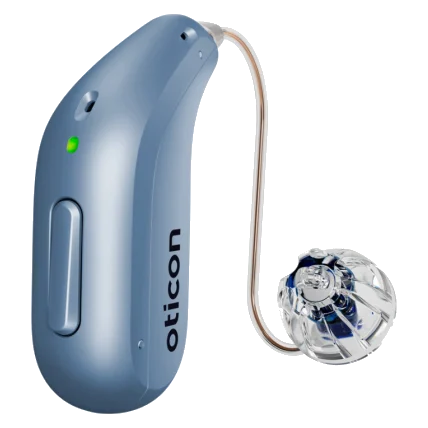
All-day rechargeable battery life, built around Oticon's BrainHearing approach.
About Oticon Intent →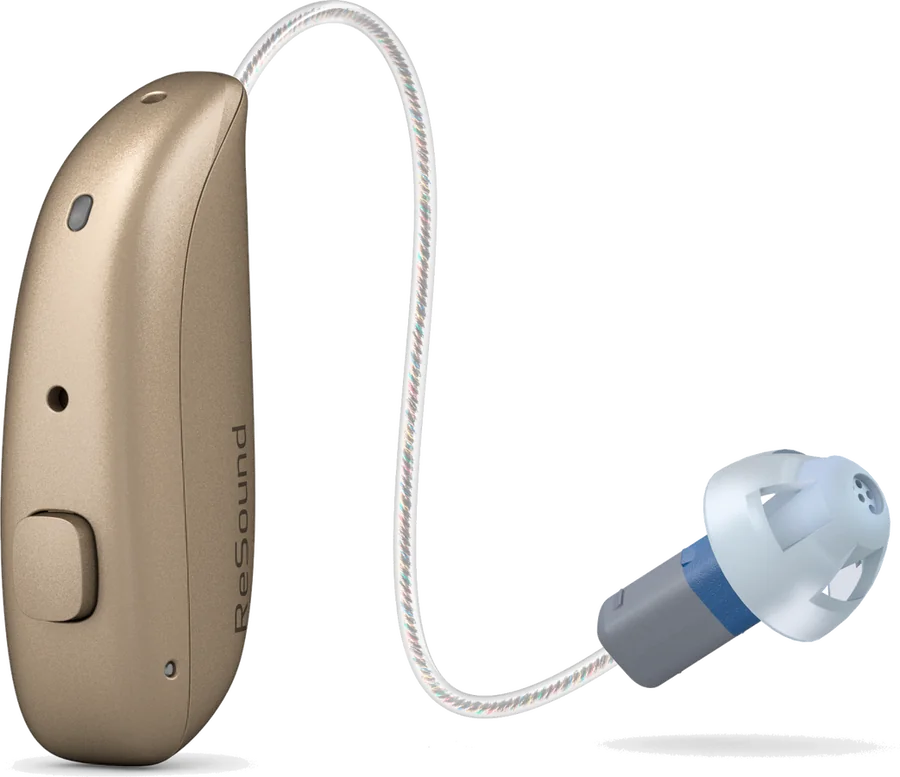
One of the smallest AI-powered rechargeable hearing aids available, with a quick top-up option.
About ReSound Vivia →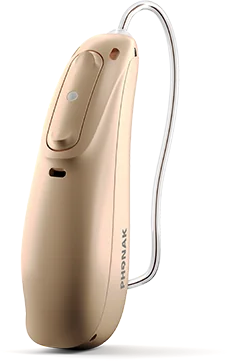
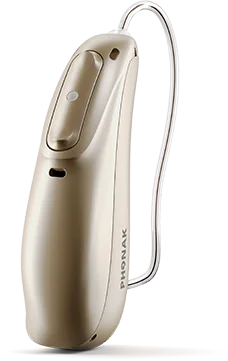
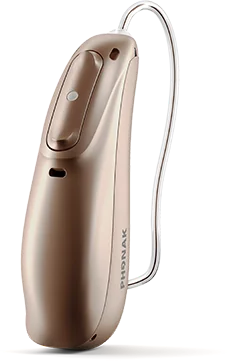
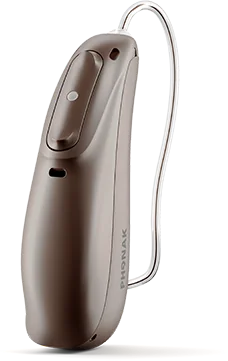
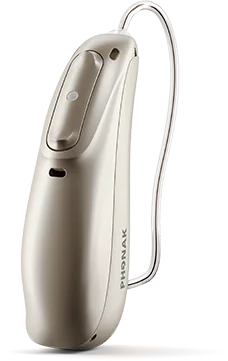
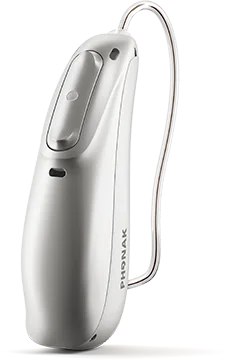
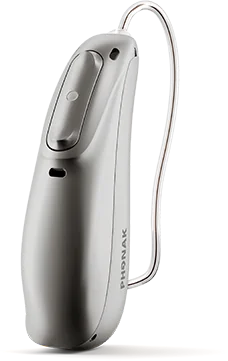
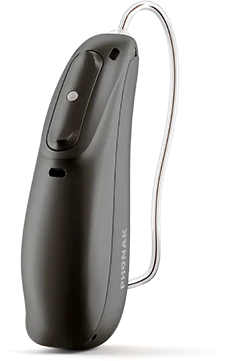
Built-in lithium-ion battery with a fast top-up charge if you forget to charge overnight.
About Phonak Infinio →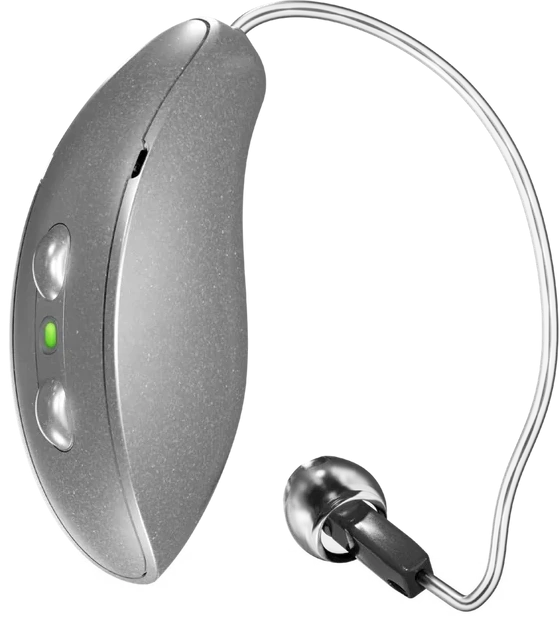
Exceptionally long battery life, even with streaming. Ideal if you would rather charge less often.
About Starkey Edge AI →Hearing in one ear? CROS and BiCROS.
If you have little to no useful hearing in one ear, a standard hearing aid on that side often will not help. CROS systems solve it differently: a small microphone on your poorer ear wirelessly sends sound across to your better ear.
For single-sided deafness where your other ear hears normally. All sound from your poorer side is picked up and sent across to your good ear.
For single-sided deafness where your better ear also has some hearing loss. Works the same way, but the receiving side also amplifies sound for that ear.
Reliable, all-day battery life with proven CROS and BiCROS performance.
Compatible with most current Oticon hearing aids for the receiving ear.
Rechargeable, works with both the Nexia and Vivia ranges for the receiving ear.
Full access to Edge AI features on the receiving side, including Edge Mode.
What actually drains the battery.
Manufacturers quote battery life in ideal conditions, and the number you see on a box is rarely the number you will get. The biggest single factor is streaming.
Listening normally uses very little power. Streaming phone calls, television or music uses a great deal more, and some of the advanced noise-handling features on flagship models are power hungry in their own right. A hearing aid quoted at well over a day can come down to around ten or eleven hours if you stream heavily and keep every feature running.
This matters more than it sounds. If you watch three hours of streamed television every evening, the model with the headline battery figure may not be the one that gets you through the day. We will give you realistic figures for your specific hearing aid and your actual habits, rather than repeating the brochure at you.
Rechargeable cells also age. Expect a gradual reduction over the life of the hearing aid, in the same way a phone battery holds less after a few years. It is not a fault, and on most models the cell can be replaced during a service rather than the whole aid being written off.
Frequently asked questions.
Most current models last a full day, typically 16 to 24 hours, even with Bluetooth streaming. We will confirm real-world figures for your specific hearing aid.
Most modern rechargeable hearing aids offer a quick top-up charge, often just 10 to 15 minutes for several hours of use.
Like any rechargeable battery, capacity gradually reduces over several years of daily use. This is covered under your warranty and aftercare.
CROS is for single-sided deafness where your other ear hears normally. BiCROS is for when your better ear also has some hearing loss that needs amplifying.
Yes. We will give you a demo after your hearing test, and you are covered by our 60 day money back guarantee either way.